MVNO vs. Major Carrier: Same Towers, Half the Price
Key Takeaways
- MVNOs lease network capacity from a major carrier and run on the identical physical towers; the savings come from skipping infrastructure and retail overhead, not a worse network.
- Typical savings run $30-50 per line per month, meaning a family of four can save roughly $120-200 a month (PhoneArena, retrieved 2026-08-12).
- Every major network has at least one strong MVNO option: Cricket or US Mobile for AT&T, Visible for Verizon, Mint Mobile or Metro by T-Mobile for T-Mobile.
- The two real tradeoffs are data deprioritization during congestion and thinner in-person support, both usually minor for typical use.
This is the fuller network-by-network comparison referenced in Am I Overpaying for My Cell Phone Plan? The Complete Guide: which MVNO runs on which network, what the real tradeoffs are, and exactly how to port your number if you decide to switch.
MVNOs vs. Major Carriers: What's Actually Different
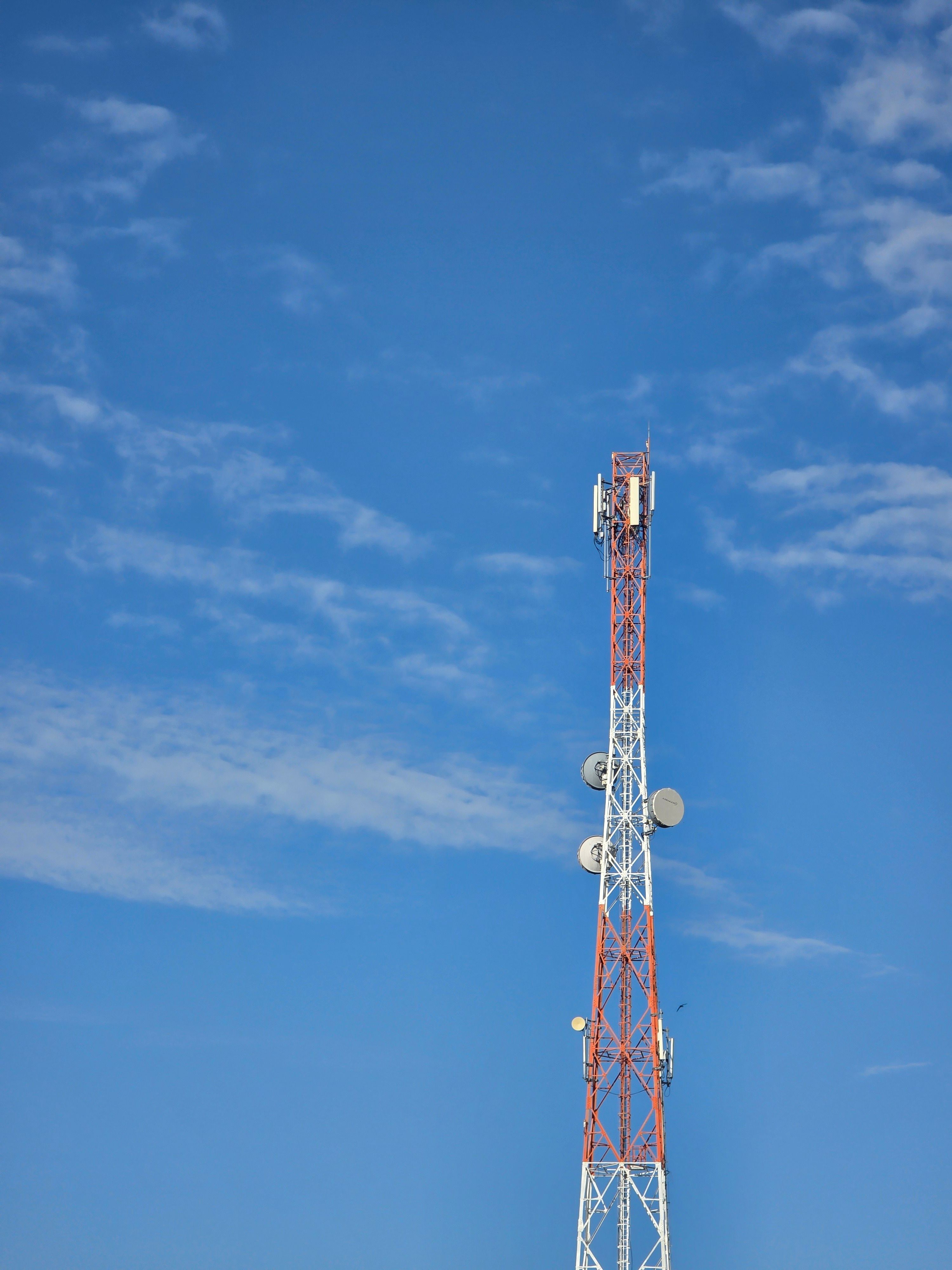
MVNOs (mobile virtual network operators) lease network capacity from a major carrier and resell it under their own brand, running on the identical physical towers. The savings come from skipping infrastructure and retail overhead, not from a worse network.
That translates into real money. Typical savings run $30-50 per line per month, which means a family of four switching together can save roughly $120-200 a month, or $1,440-2,400 a year (PhoneArena, retrieved 2026-08-12).
MVNO Options by Network: AT&T, Verizon, and T-Mobile
Each major network has at least one strong MVNO option, and the right pick depends on which network you're already on or want to be on.
AT&T network: Cricket, owned by AT&T, runs $30-60/month depending on data tier. US Mobile is a separate option that lets you choose AT&T, Verizon, or T-Mobile from within one app, at $25/month (LowerMySubs, retrieved 2026-08-12).
Verizon network: Visible runs $25/month for its base unlimited plan, with a Visible+ tier at $45/month that adds full network priority and a 50GB hotspot allowance (Tom's Guide, retrieved 2026-08-12).
T-Mobile network: Mint Mobile starts around $30/month for its standard unlimited plan, and Metro by T-Mobile runs $25-30/month depending on current promotions (Tom's Guide; TechRadar, retrieved 2026-08-12).
The Honest Tradeoffs
The two real tradeoffs are data deprioritization during network congestion and thinner in-person support. Both are usually minor for typical use, but worth knowing before you switch.
Deprioritization. MVNO wholesale contracts commonly place their traffic in a lower priority tier than the host carrier's own postpaid subscribers, so speeds can drop specifically during congestion (SignalBooster, retrieved 2026-08-12). In practice, this is most noticeable in very crowded places, like stadiums or large events, rather than everyday use.
Retail support. MVNOs are largely digital-first. Most have few or no physical stores, so troubleshooting and account changes happen by app, chat, or phone rather than in person.
Perks. Major-carrier plans more often bundle extras like streaming subscriptions or device trade-in promotions. MVNOs generally compete on price instead.
How to Port Your Number to an MVNO
Porting takes four steps and typically finishes in a few hours once started, but timing it right around your billing cycle avoids paying for a few extra days you don't use.
- Check your current contract. Look for early termination fees or a remaining device balance that could affect switching.
- Get your account number and transfer PIN from your current carrier. Most carriers provide this through your account app or by calling customer service.
- Confirm your phone is unlocked. This is usually automatic once the device is paid off and the account has no unpaid balance.
- Sign up with the new MVNO and initiate the port. Most ports complete in 2-24 hours (SaveOnPhone, retrieved 2026-08-12).
Timing tip: start the port a few days before your next billing date with your old carrier, rather than right after a new bill has already generated, to avoid paying for a period you're no longer using.
For the fuller picture of why your bill needs this kind of periodic check in the first place, see Am I Overpaying for My Cell Phone Plan? The Complete Guide.
Is Switching Worth It for You?
For most people in suburban or urban areas with typical data use, the tradeoffs above are minor and the savings are immediate. The calculus changes if you rely heavily on in-person support or regularly use your phone in consistently congested areas.
Switching doesn't have to be a permanent, high-stakes decision. The same pattern covered in Why Your Cell Phone Bill Keeps Going Up (Even Without Changing Your Plan) applies in both directions: an MVNO price can also drift, or a major carrier can later run a promotion that beats your MVNO rate. Continuous monitoring, like PlanAlert, checks for a better plan on an ongoing basis regardless of which side of the MVNO-vs-carrier line you're currently on.
Frequently Asked Questions
Will I lose 5G if I switch to an MVNO?
No, in most cases. Current MVNOs generally support 5G on compatible devices, since they're using the same physical network as the major carrier they run on.
Can I switch back to a major carrier if an MVNO doesn't work out?
Yes. Porting works the same way in both directions, you're not locked into the decision permanently.
Do MVNOs offer family plans?
Most do, and per-line pricing typically drops as you add more lines, similar to major-carrier family plans.
Is there a real difference between MVNOs on the same network?
Yes. Even on the identical underlying network, MVNOs can differ on priority tier, hotspot allowance, and support channels, which is why Visible and Visible+ (both on Verizon) are priced and positioned differently from each other.
Conclusion
The network is the same either way; what actually differs between an MVNO and a major carrier is priority tier during congestion, in-person support, and price. For most typical users, that tradeoff favors the MVNO. Whichever side you land on, the decision isn't permanent, and it's worth revisiting periodically rather than treating it as a one-time choice.
Continue learning: